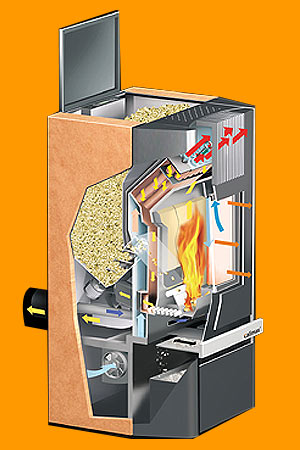
 Pellet stoves are growing in popularity. If you’re still unschooled on this handy heating device, it’s time you knew the basics. The pellet is good for the environment, and it looks great, too. What’s not to like?
First, what are they?
Unlike traditional stoves, pellet stoves don’t burn wood, but wood pellets stemming from waste chips and recycled sawdust. Corn pellets can also be used, but these are harder to find. Smoke from the stove comes out clear. It is vented through a pipe as opposed to a chimney. The heat from a pellet stove can warm even the reaches of a two-story house, often eliminating the need to turn on your central heating system. While the fuel used for the pellet stove is environmentally friendly, the appliance requires plugging into an electrical outlet.
What do they look like?
Another plus for the pellet stove: its good looks. It has the homey aura of a traditional, wood burning stove, without the side effect of emitting hundreds of pollutants into the air. Pellet designs vary significantly. Homeowners with modern sensibilities can select a trendy model in bright, bold colors. Other models are rustic and warm. And then there are endless varieties in between from companies such as Rika, Shimotani, Panorama, and Lopi Leyden.
Why are they good for the environment?
Being green is surely the best quality among the pellet’s many good qualities. Pellet stoves pollute less than EPA certified wood stoves or any other heating appliances that uses solid fuel. When properly installed, pellet stoves also has little adverse affect on indoor air.
Links: